
History of Robert M. Hadley Company, Inc. in the United States
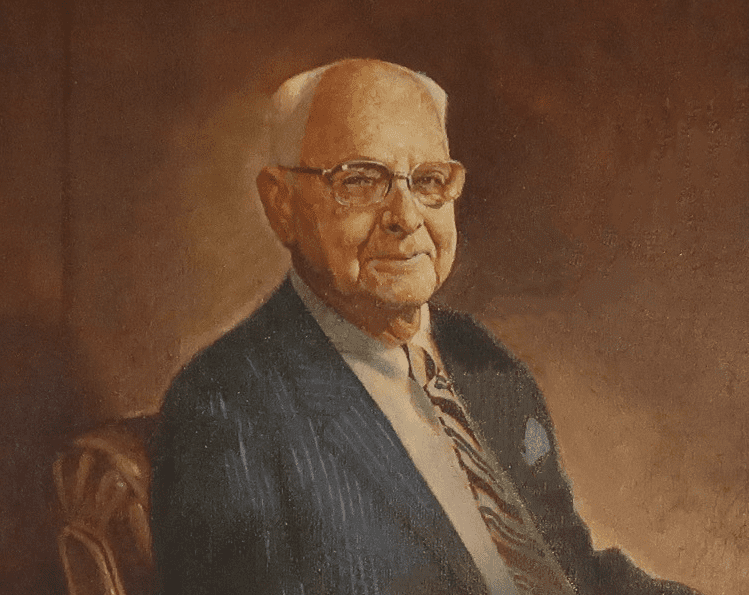
Robert M. Hadley Company, Inc. is a small family owned business founded in 1929 by Robert Hadley in Los Angeles, California. In the beginning, they focused on stamped laminations and fabricated equipment racks. With the popularity of the tabletop radio, Hadley began manufacturing transformers.
Their mechanics designed and built custom winding machines onsite to absorb the numerous orders. Due to the expanding transformer market and sheet metal products, they were able to grow quite rapidly. Hadley developed a reputation for high quality products with a dedication to service. Today, the business continues its success in Ventura, California manufacturing and designing custom transformers and inductors for the aerospace industry.
During WWII, an engineer requested the company’s help in the manufacturing of military grade, hermetically sealed devices. Hadley was able to help the defense contractors meet the country's wartime needs and was acknowledged for their performance as the magnetics supplier with the best quality record nationwide.
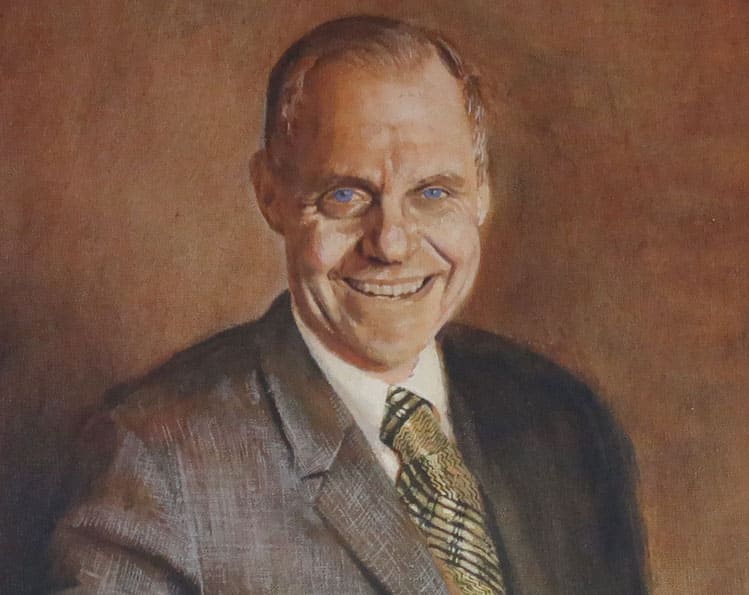
Robert's son Arthur began working for the company and brought with him a background in electrical engineering and an interest in transformers. During his time there, Hadley made substantial investments in modern automatic equipment and pursued a policy of progress and improvement. The company had turned to catalog sales of general replacement transformers for televisions and radios.
The Korean Conflict brought back military work and the company grew again, expanding during the 1950s and 1960s and establishing a strong reputation in the defense industry for quality and reliability.
The 1970s brought a great expansion of government and aerospace work. Hadley transitioned its manufacturing to space grade transformers and inductors. Hadley was critical in the early applications of transformers for exploration and scientific spacecraft.
In 1979, Robert retired from the company and ownership was passed to Arthur. The early 1990s brought with it the relocation to Ventura from Los Angeles. The majority of Hadley’s key personnel and production staff moved with the company. In 1993, the third generation acquired majority ownership. Arthur’s children James and Mary, along with her husband Chris Waian, formed a leadership team that would guide the company into the next millennium. Arthur continued in an advisory role into the 2000s before he retired.
In 2018, James retired, and the fourth generation, Christopher, Elizabeth and Timothy Waian began to grow into leadership positions.
2010 began a period of dynamic changes. Hadley incorporated AS9100 into its quality management system and has implemented an extensive information technology infrastructure. Within this period, the next generation has also joined the team.
Throughout the years, the Hadley vision remains fixed on the future while all energies are directed toward designing and manufacturing transformers and inductors that meet and surpass our customers’ expectations.